Options Mall logo Men's Formal Trousers / Juhu
  1. Home
  2. Construction
Scene 04 — Technical file CF-04

Theconstruc—tion file.

Every formal trouser is assembled from the same core components. How carefully each is made — and how well they work together — decides whether a trouser holds its line for a season or for years.

This file explains construction in general terms. It does not describe the specific manufacturing of any Options Mall garment.

Fig. CF-04.1 — Front, flatAnnotated

Brown formal trousers laid flat showing the waistband, button tab closure, belt loops, pockets and creases

Pins match the component numbers01 · 02 · 03 · 05 · 07 · 08 · 10

Section A — Anatomy

Eleven components, from waistband to leg opening

01Structure

Waistband

A band of the main fabric, usually reinforced with interlining so it keeps its shape and doesn't roll. Inside, many formal trousers add a curtain lining or a grip strip to help keep a shirt tucked.

Check
Lies flat; no rolling when seated

02Support

Belt loops

Usually five to seven, positioned so a belt sits level. Each loop is bar-tacked at top and bottom for strength. Some trousers replace loops with side adjusters for a cleaner waist.

Check
Evenly spaced, firmly secured

03Closure

Closure & fly

Most formal trousers combine a zip fly with a hook-and-bar or button. An extended tab carries the closure across the front to fasten at the side, keeping the waist flat — a hallmark of tailored trousers.

Check
Fly lies flat, zip hidden

04Volume

Pleats

Folds stitched into the waistband that release extra room over the hips and thighs. Forward pleats open toward the fly; reverse pleats open toward the pockets. Flat-front trousers have none.

Check
Pleats close when standing

05Access

Front pockets

Slant (angled) pockets are easier to reach and common on formal trousers; on-seam pockets are hidden in the side seam for a cleaner, more formal line.

Check
Openings stay closed when standing

06Access

Back pockets

Jetted (piped) pockets cut into the fabric and finished with narrow strips, often with a button or button-tab. They keep a flat seat — carrying bulky items in them spoils the line.

Check
Straight, even jets; flat corners

07Assembly

Seams

Side seams, inseams, the fly seam and the centre-back seat seam. Good trousers finish seam edges neatly so they don't fray, and leave extra allowance at the seat for future adjustment.

Check
Straight, unpuckered seams

08Finish

Creases

A pressed line down the centre of each leg, front and back. The crease should fall straight to the middle of the shoe. Some fabrics and finishes help creases last longer between pressings.

Check
Centred; doesn't twist

09Detail

Stitching

Fine, even stitches with consistent tension, and bar-tacks at stress points: pocket corners, the bottom of the fly, belt loops. Loose threads or wavy stitch lines are signs of rushed work.

Check
Even, secure, clean ends

10Finish

Hem finishing

A plain hem is blind-stitched so stitches barely show on the outside. Turn-ups (cuffs) add weight and help the trouser hang. A heel guard tape inside the back hem protects against wear.

Check
Invisible stitching; level hem

11Proportion

Leg opening

The width of the trouser at the hem. It is the final dimension of the silhouette — matched to the shoe and to the knee width above it. See the fit lab for how to choose it.

Section B — Close-ups

Under the
loupe.

Detail windows magnified from four garments in the file. Each full garment is shown in the reference strip below.

Waistband & loopsA structured band with loops placed to keep the belt level; note the clean join between band and body.
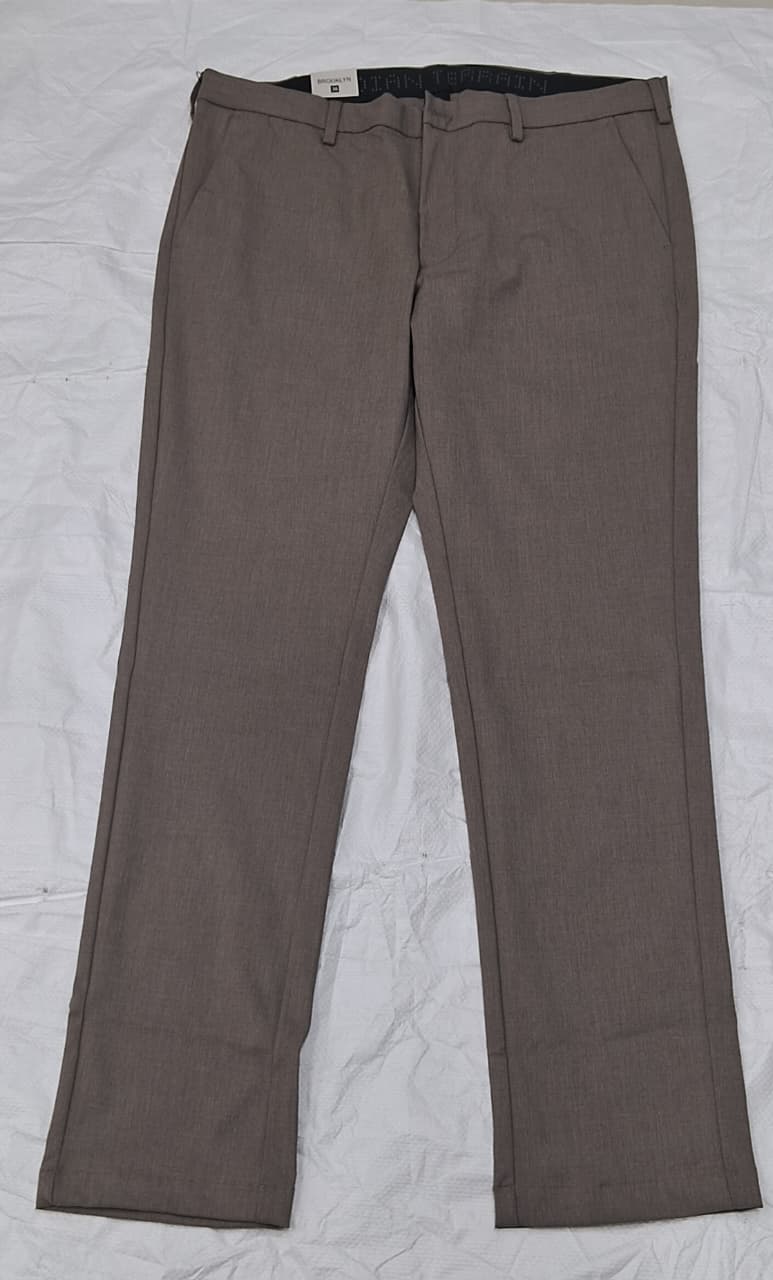
Inner waistbandA contrasting inner band — often with a grip strip — helps hold a tucked shirt in place.
Slant pocketAn angled opening that stays closed when you stand — a sign of correct hip fit.
Plain hemA clean, level finish; on a well-made trouser the hem stitching is barely visible from outside.
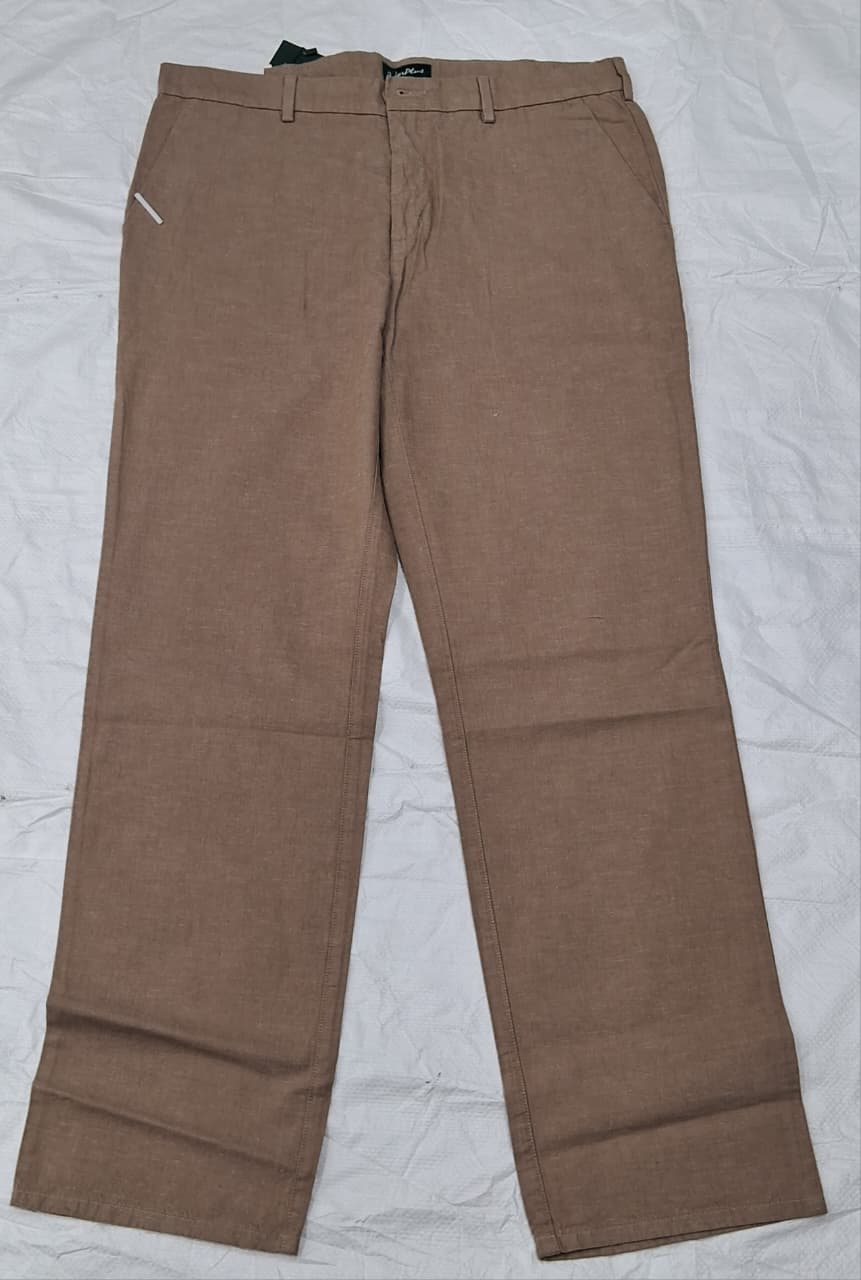
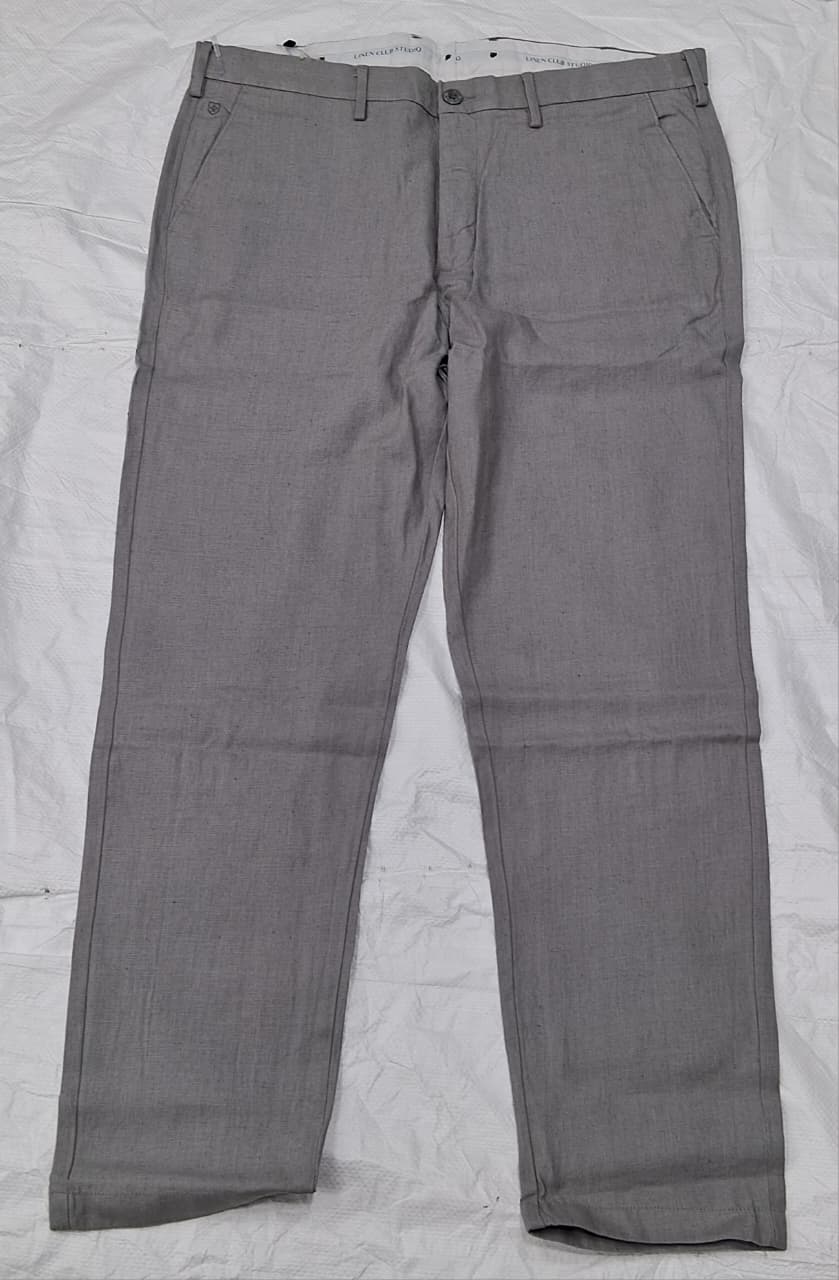
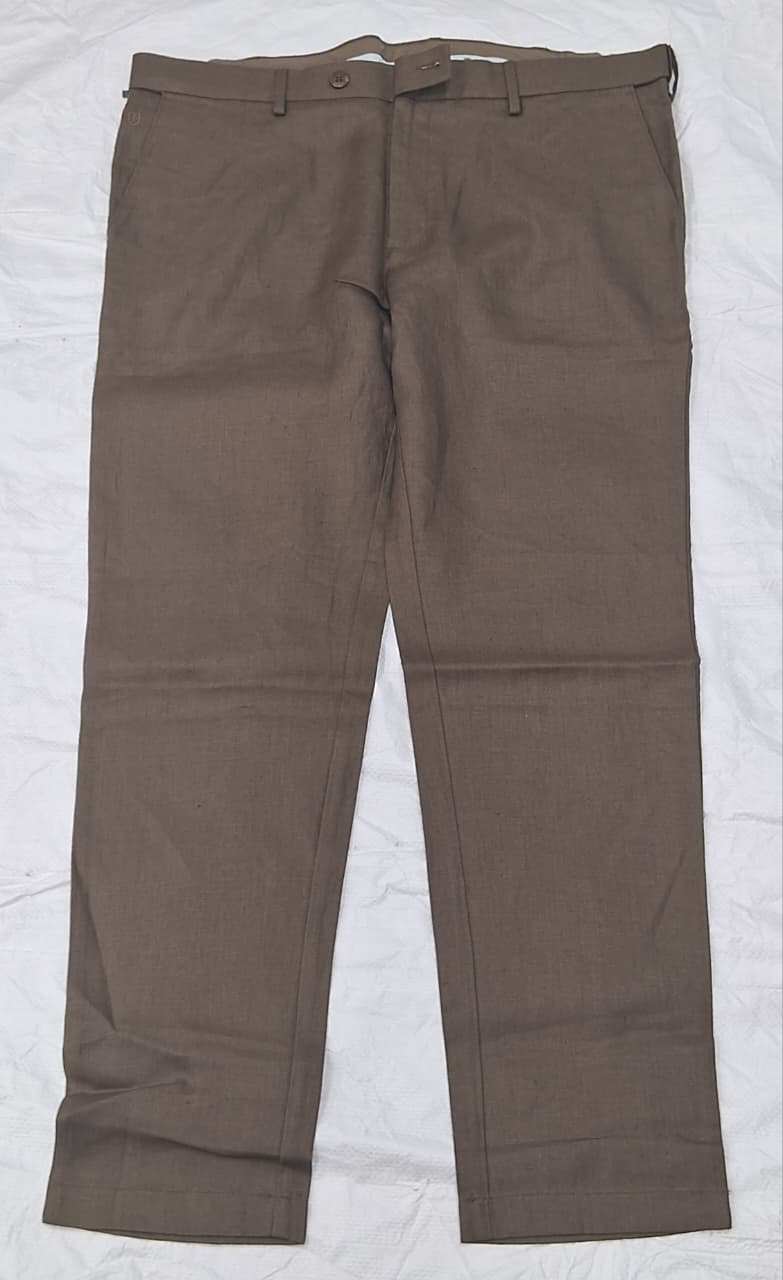
Brown textured trousers laid flat, full view
Ref. B1Full garment
Brown-grey trousers with a dark inner waistband laid flat, full view
Ref. B2Full garment
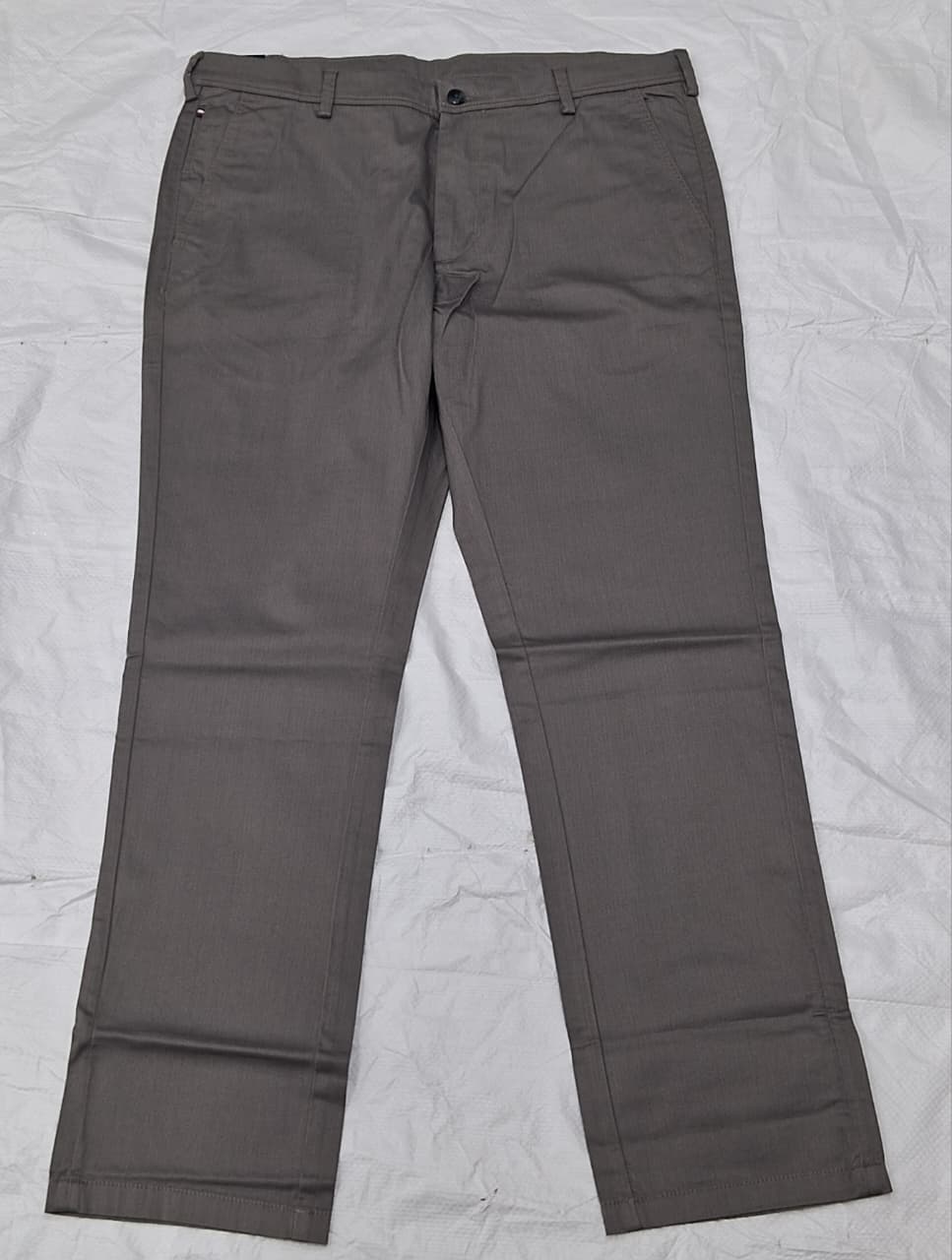
Grey-brown trousers laid flat, full view
Ref. B3Full garment
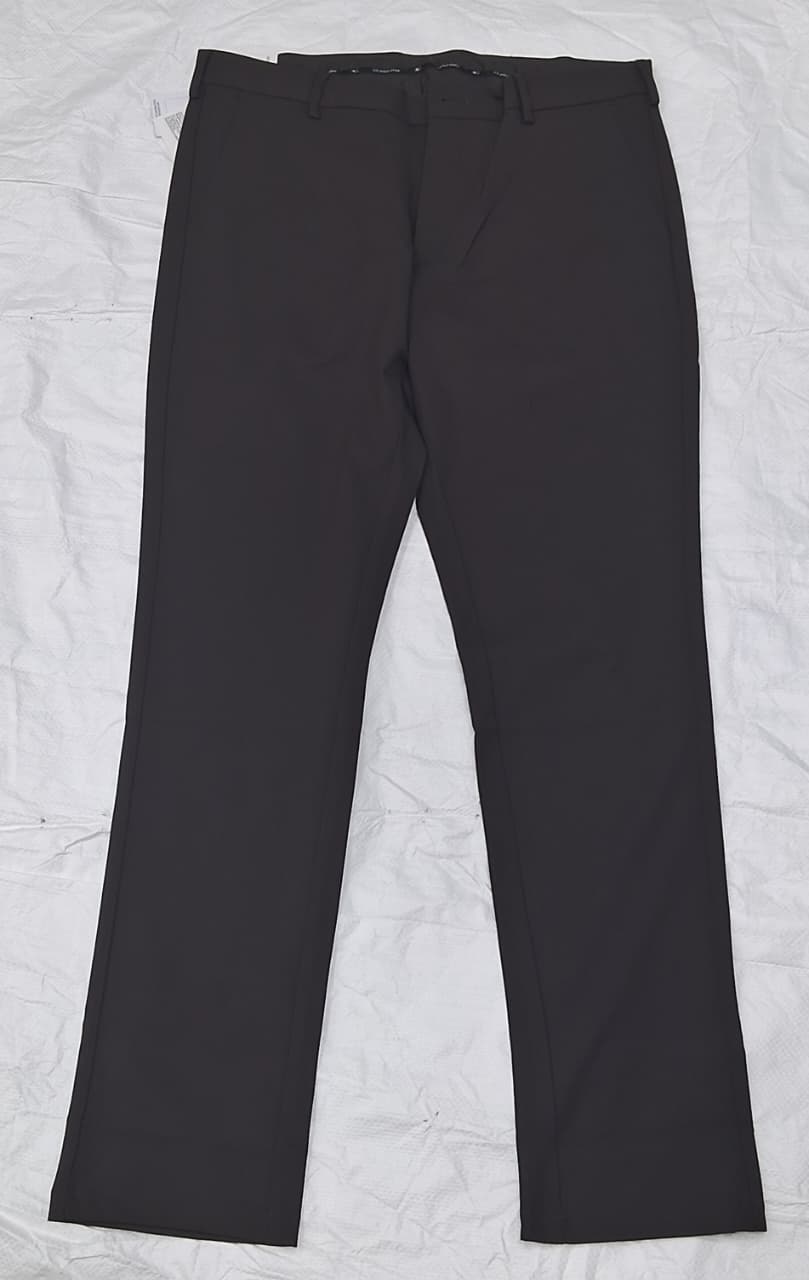
Dark brown trousers laid flat, full view
Ref. B4Full garment
Grey textured trousers laid flat with a visible fabric weave
Fig. CF-04.3Grey / textured
Section C — Quality check

A two-minute inspection.

Before you buy any formal trouser, these checks reveal most of what you need to know about how it was made.

  • Turn it inside out: seam edges should be finished, not fraying.
  • Check the waistband lies flat when fastened and doesn't roll as you sit.
  • Look for bar-tacks at pocket corners, belt loops and the base of the fly.
  • Hold the trouser by the hem: the crease should hang straight, without twisting.
  • Make sure pockets stay closed and flat when you stand naturally.
  • Read the care label for fibre content and cleaning instructions.
  • Ask whether the waist and length can be altered if needed.
Section D — Keeping the construction intact

Care that protects the build

  1. Hang it properly

    Hang by the hem from a clip hanger, or folded along the crease over a bar. This lets creases recover and protects the shape of the waistband.

  2. Rest between wears

    Rotating two or more pairs gives fibres time to recover and reduces wear at the seat and knees.

  3. Follow the label

    Wool and fine blends often need dry cleaning or gentle care; many cotton and polyester blends can be washed. Always follow the garment's own care instructions.

  4. Press, don't scorch

    Use a pressing cloth on darker cloths to avoid shine, and press creases from the inside line outward.

  5. Empty the pockets

    Phones and wallets stretch pocket bags and distort the hip line over time.

  6. Repair early

    A loose button, a lifting hem or a weak belt loop is a small fix today and a bigger one later.

Next scene — 05Fabric